Beyond Compassion: Sri Arunodayam’s Path to Meaningful Action
– By Iyyappan Subramaniyan
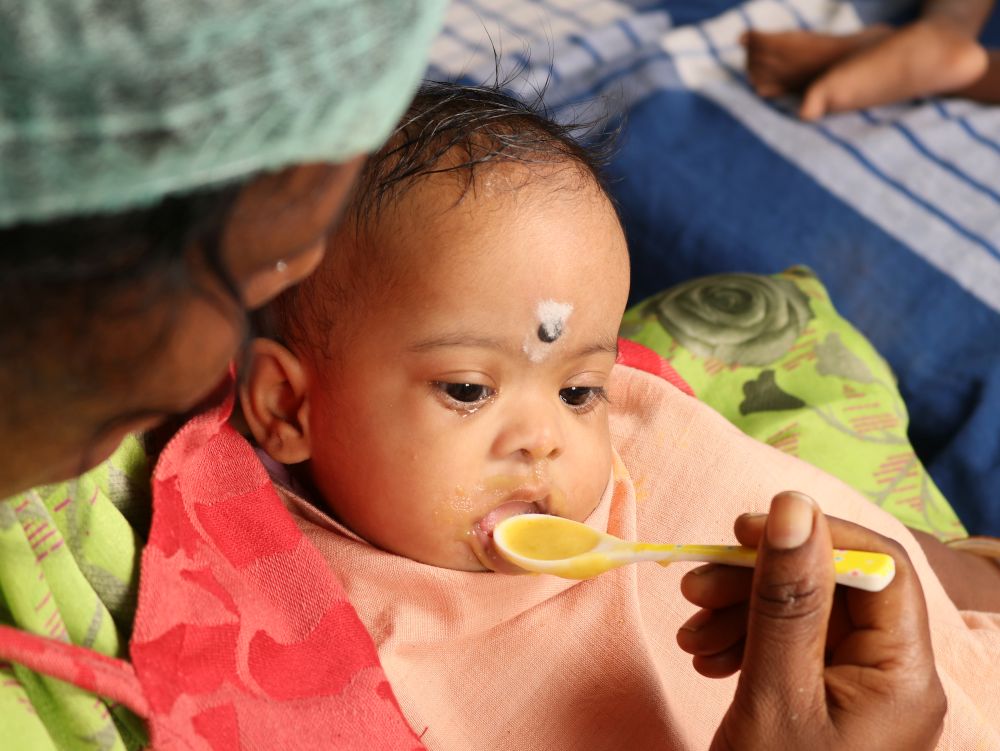
Compassion is just the beginning—the spark that ignites our desire to help. While it moves our hearts, true and lasting change is always born from action.
For children who’ve faced abandonment and navigate a complex, often hostile world, feeling pity, however well-intentioned, isn’t enough. Unless compassion is rooted in action, by treating children with the respect they deserve, it risks remaining just a feeling. That’s why we approach compassion a little differently, at Sri Arunodayam.
Over our 23-year journey, our path has often been challenging, but we’ve slowly and surely moved the needle beyond compassion to solid, impactful action. This action is built upon a foundation of dignity and equality extended to every child in our care, providing them with the full spectrum of rights that were cruelly snatched from them. Today, this foundation underpins our every decision, program, and interaction; it’s woven into the fabric of our operations, forming the bedrock of the “best practices” we’re happy to share in this blog.
Food as a foundation of equal worth
One tangible example of our commitment to dignity and equality is our approach to something as fundamental as food. Here, there’s no “us and them.” Everyone at Sri Arunodayam, from the newest child to the most senior manager, partakes from the same kitchen! It’s a simple, yet profound practice that I learned early in training, and it underscores my belief in shared humanity and equal worth.
Promoting choice and voice
Even with intellectual disabilities, children have preferences and the right to express them. Promoting choice and voice is central to upholding their dignity and ensuring equality. We strive to build connection by utilizing various communication methods—verbal, non-verbal, visual aids, and more—to help them express their wants, needs, and feelings. We involve them in decision-making, where appropriate, about their routines, activities, and even personal spaces, building a sense of autonomy and control over their lives. And we respect boundaries; teaching and reinforcing the concept of personal boundaries, ensuring that they understand their right to safety and to say “no” when necessary. This ensures they are active participants in their lives, not passive recipients of care.
Individualized care and development
Every child at Sri Arunodayam benefits from an Individualized Care and Development Plan (ICDP). This plan is crafted through a multidisciplinary assessment involving therapists, educators, caregivers, and medical professionals. It’s regularly reviewed to ensure each child receives: tailored education (learning approaches adapted to their unique cognitive abilities and learning styles); specialized therapies (consistent access to speech therapy, occupational therapy, physiotherapy, and psychological support as needed); and life skills training (practical skills development focused on maximizing their independence and participation in daily life). ICDPs are critical because they represent a fundamental shift from a “one-size-fits-all” approach to a “person-centered” model of care, which is essential for ensuring dignity and promoting true growth.
Inclusive, integrated environment
Segregation limits potential and denies equality; that’s why our best practices are founded on inclusion. We organize activities that allow children of varying abilities to participate together, building peer relationships and mutual understanding. We facilitate community engagement through social outings and participation in local events. We even pioneered the “Special Mom Award,“ the only one of its kind in India, running successfully since 2017. These initiatives help break down stigmas and promote recognizing the children’s equal right to participate in society. Additionally, we provide inclusive and accessible infrastructure at our homes, featuring ramps, sensory-friendly spaces, and adaptations that cater to diverse mobility and sensory needs. This ensures equal access and ease of movement for all (e.g., our adherence to the Tamil Nadu Combined Development and Building Rules, 2019, Section 43, and the “Harmonised Guidelines and Standards for Universal Accessibility in India 2021”).
Staff sensitivity and training
Our staff is the heart of our operations, and their actions directly impact the dignity and equality experience of the children. That’s why we invest in disability-specific training, focusing on understanding various intellectual disabilities, positive behavior support, and effective communication strategies. This ensures care is competent and respectful of individual needs. Our rights-based approach emphasizes the rights of children with disabilities (as per UNCRPD and Indian laws), embedding a rights-based perspective in all care practices and ensuring their equality before the law and in daily life (e.g., almost all our youngsters above the age of 18 have valid voter ID cards). Our anti-stigma and empathy training helps overcome unconscious biases and social prejudice, informed by our deep understanding of the difficulties children with intellectual disabilities experience.
Safeguards and protection
The most vulnerable children require the strongest protection to ensure their dignity, safety, and equality. Our safeguarding measures include robust child protection policies and strict protocols for preventing, identifying, and responding to abuse, neglect, and exploitation. All staff undergo rigorous background checks and regular training (e.g., our child protection policies are aligned with POCSO, JJ Act, RPwD Act, and UNCRC international standards).
Our whistleblower mechanisms present clear and accessible channels for anyone to report concerns without fear of reprisal. To ensure compliance with child protection standards, regular audits with independent oversight further demonstrate our deep commitment to protecting the children’s inherent dignity (e.g., regular audits by Child Welfare Committees (CWCs), the District Differently Abled Welfare Office (DDRO), and the Directorate of Social Welfare, Tamil Nadu).
Transparency and accountability
Building trust with donors, partners, and the public is paramount; it directly reflects our commitment to ethical operations. We ensure financial transparency by providing clear, accessible reports on how we utilize funds. This demonstrates responsible stewardship and respect for every contribution we receive (e.g., financial reporting via our website and our GuideStar Gold rating). Our programmatic accountability comes from regularly monitoring and evaluating our programs. This guarantees they remain effective, impactful, and truly meet our children’s needs (e.g., our Silver status for completing 10 of 17 UNSDG goals, as reviewed by an independent third-party – Earth 51; and our ongoing collaboration with The Chennai Chapter of Social Venture Partners (SVP) India in further refining our policies). Furthermore, we maintain open lines of communication with all stakeholders, including families (where applicable), donors, and regulatory bodies, fostering an environment of mutual respect and trust.
Action driven by clear strategy
We believe that every child, regardless of their disabilities, deserves a life filled with purpose and joy, with the opportunity to truly thrive. We have turned compassion into concrete action because we know that transformation can happen only through daily, tangible acts and actions. Our best practices are not merely about meeting standards but exceeding them, driven by a profound compassion to responsibly nurture every life entrusted to our care.
Of course, we are continually learning, adapting, and striving to become better. But in 23 years, we have proven that when compassion is fortified by on-the-ground practices that uphold dignity and equality, its impact becomes limitless.
Summary
For over 23 years, compassion has been our starting point—but never our destination. At Sri Arunodayam, we’ve learned that real change begins when compassion is transformed into action rooted in dignity, respect, and children’s full rights. This belief shapes everything we do—from ensuring food equality, to enabling choice, to giving every child a voice in their own care. With individualized development plans, inclusive environments, sensitively trained staff, strong safeguards, and transparent, strategy-driven practices, this blog discusses how we turn compassion into impact that truly protects and empowers each child.
Tags
UN Sustainable Development Goals (UN SDGs)
Child welfare best practices
Intellectual disability care
Disability inclusion
Rights-based child care
Inclusive child care
Holistic child development
NGO best practices India
Child rights and protection
NGO transparency and accountability
Support for intellectual disabilities
Pioneers in disability inclusion