
How to Connect Deeply with Your Child in Daily Life
– By Iyyappan Subramaniyan
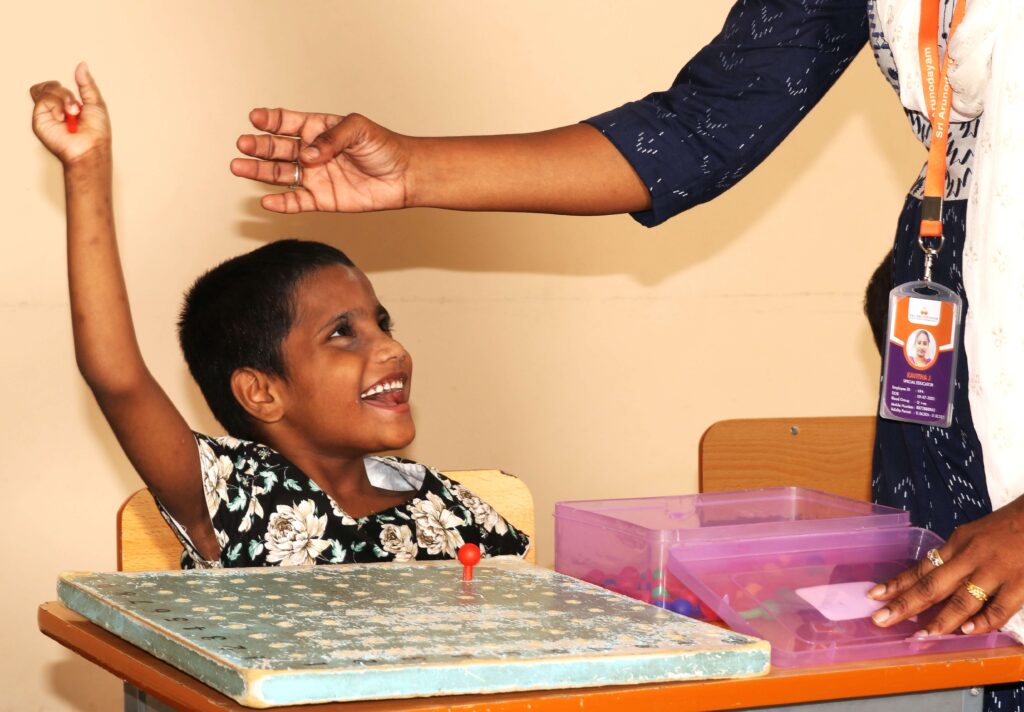
In the relentless rush of modern life, where schedules are packed and demands are constant,it’s easy for meaningful connections with our children to become a casualty. Yet, these daily interactions, no matter how brief or seemingly small, are the bedrock of a child’s emotional well-being, cognitive development, and sense of security.
Beyond simply managing their needs, actively engaging with our children in the ordinary moments of the day builds trust and teaches them valuable social and emotional skills. It’s in these shared, “present” moments—a quick chat over breakfast, a shared laugh while doing a chore, a moment of choice in a simple decision—that we truly affirm their place in the family and lay the foundation for a resilient and fulfilling future.
As parents of children with disabilities, our days are often filled with appointments, therapies, and specialized care. While these are undeniably vital, it’s easy for the “caregiver” role to overshadow the equally important role of “parent”—the one who connects, nurtures, and includes.
But what if I told you that some of the most profound connections can happen not in a therapy room, but in your home? Involving your child with disabilities in daily activities and family decisions will help you build deeper bonds, develop their independence, and truly see them as valued members of the family.
Here’s how you can weave meaningful connection in your daily life:
1. Give Them the Power of Choice
Even if communication is non-verbal or limited, every child deserves the dignity of choice.Offering options, even simple ones, empowers them and shows them that their preferences matter.
Here are some examples:
Morning routine: Instead of laying out clothes, hold up two outfits and let them touch, point, or gaze at their preference. For verbal children, ask, “Red shirt or blue shirt today?”
Mealtime: “Would you like apple slices or banana with your breakfast?” Presenting two healthy options allows them to decide.
Playtime: “Do you want to play with the blocks or the cars?” Have both items ready to gauge their reaction.
Activities: For children who use communication devices, program common choices like “story,” “music,” or “outside.”
2. Involve Them in Chores and Tasks
Chores might seem daunting, but adapting them can be fun while building a sense of shared responsibility. Remember, the goal isn’t perfection but participation.
Here are some examples:
Setting the table: Even young children can carry unbreakable napkins or place spoons in a designated spot. Guide their hand if needed.
Putting away groceries: “Can you put the plate here?” or “Help me put these cans on the bottom shelf.” Give specific, manageable instructions.
Laundry day: Let them help sort clothes by color, put clothes into the washing machine (with supervision), or even push the laundry basket.
Meal preparation: For children with fine motor challenges, perhaps they can wash vegetables in a bowl of water or stir ingredients in a large bowl.
Tidying up: Make it a game! “Let’s put the red blocks in the red bin.” Use visual cues and praise their efforts.
3. Include Them in Family Decisions (Big and Small)
While major family decisions might be complex, involving your child, even symbolically, builds a sense of inclusion and respect.
Here are some examples:
Weekend plans: “We’re thinking of going to the park or the library. Which sounds fun to you?” Show pictures or use simplified language.
Birthday party themes: Show them two or three simple options for their birthday theme or cake design. Picking out a movie or show: “Do you want to watch the cartoon or the animal show tonight?”
Choosing a gift (for someone else): If shopping for a family member, let them touch or interact with a few options you’ve pre-selected, allowing them to indicate a preference.
Home decor: “Do you like the red cushion or the blue cushion for the sofa?”
4. Rituals to Strengthen Connection
Sometimes, the most profound connections happen in quiet moments of shared joy by simply “being” together.
Here are some examples:
Reading together: Not just reading to them, but letting them turn the pages, point to pictures, or make sounds for characters.
Cooking together: Even if they just sit at the counter and watch, narrate what you’re doing, let them smell the ingredients, or touch textures.
Music and movement: Dance together, sing songs with actions, or simply listen to music and respond to their enjoyment.
Family story time: Encourage them to “tell” their version of events from the day, using their preferred communication method.
Gardening: Let them help water the plants, dig in the dirt, or pick flowers/vegetables.
Remember These Key Principles
There are a few key principles to keep in mind to make this connection successful:
Adapt: Always modify activities to suit your child’s abilities, not the other way around.Use visual aids, simplify instructions, and offer physical prompts if needed.
Be patient and persistent: There will be days it feels harder. Celebrate small victories and don’t get discouraged by setbacks.
Focus on the process, not just the outcome: The goal is interaction and connection, not perfectly folded laundry or a perfectly set table.
Celebrate every effort: Positive reinforcement goes a long way! Praise their attempts and enthusiasm, regardless of the result.
Observe and learn: Pay close attention to your child’s reactions and preferences. They will show you what works best for them.
Connecting with your child won’t always be a smooth journey. Children with disabilities face frustrations and moods that can feel overwhelming. Some days, your efforts might yield little immediate reward, and patience will wear thin. But in these moments, persistence is key. Every small step contributes to true connection and is worth the effort.
When you consciously integrate your child into daily family life, you do more than just manage their care. You nurture their spirit and strengthen your unique bond. These moments make them feel seen, heard, and cherished, which builds their confidence.
This approach isn’t exclusive to families with special needs; any parent benefits from weaving these intentional interactions into daily routines with their children. However, for parents connecting with children with disabilities, this deliberate effort becomes even more vital. These children often face additional communication barriers and marginalization, making every opportunity to affirm their value within the family exponentially more impactful for their development and well-being.
Summary
Modern life, with its daily distractions, makes genuine communication difficult. Our children are starved for deep connection, and its absence is undermining their emotional well-being, cognitive development, and sense of security. Beyond simply managing their needs, we must actively engage with them in everyday moments, building trust and teaching them vital social and emotional skills. As parents of children with disabilities, our “caregiver” role often overshadows our equally crucial “parent” role —the one that connects, nurtures, and includes. This blog offers practical, fun suggestions to make connecting with our children more enjoyable through daily activities.
Tags
Power of choice
Family chores
Shared decisions
Connecting with children with disabilities
Parenting children with disabilities
Daily activities for children with disabilities
Inclusive parenting
Meaningful connection parenting
Special needs parenting tips
Family inclusion special needs
Parent-child bonding special needs
Neurotypical children connection
Every day parenting strategies
Neurodiversity
Adaptive Activities
Differently Abled
Everyday Inclusion